

As Irish workplaces continue to evolve, organisations are increasingly recognising that diversity drives better decision-making and innovation. However, inclusion doesn’t happen through policy alone, it must also be reflected in the physical workspace.
Neurodiversity is one important aspect of such inclusion. Neurodiversity refers to the natural variation in how people think, process information and experience the world. Research shows that the biggest barriers neurodivergent employees face are the environments they work in. Many modern offices, particularly open-plan spaces, can create a sense of sensory overload with noise, lighting and lack of quiet space being common challenges.
Designing workplaces that support inclusion can significantly improve productivity, wellbeing and employee retention. This is where well thought-out furniture selection and workplace design play a critical role.

Provide choice and flexibility
A neuro-inclusive workplace should offer a variety of settings rather than expecting everyone to work in the same way.
This includes quiet, low-stimulation areas, collaborative zones and informal breakout spaces.
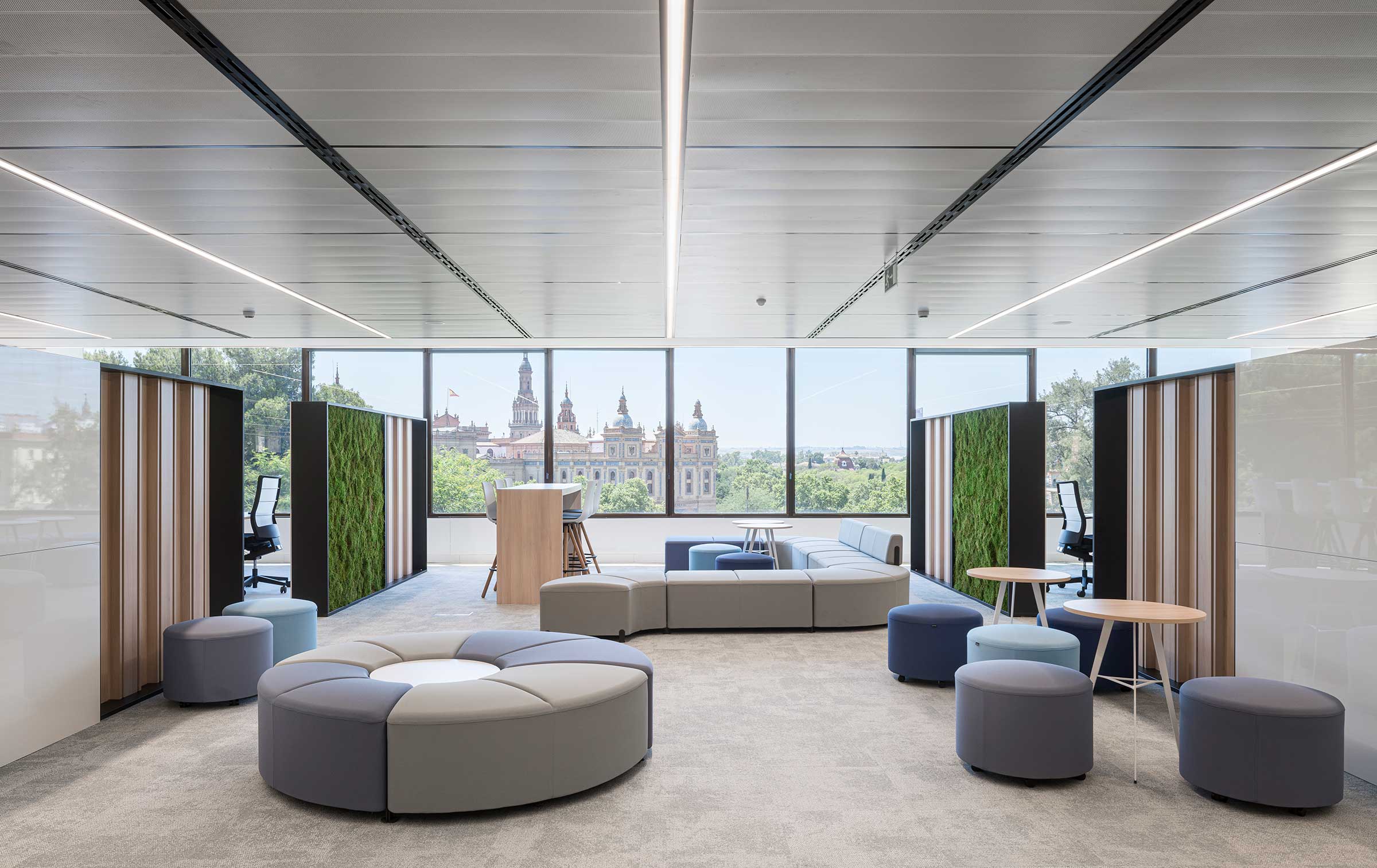
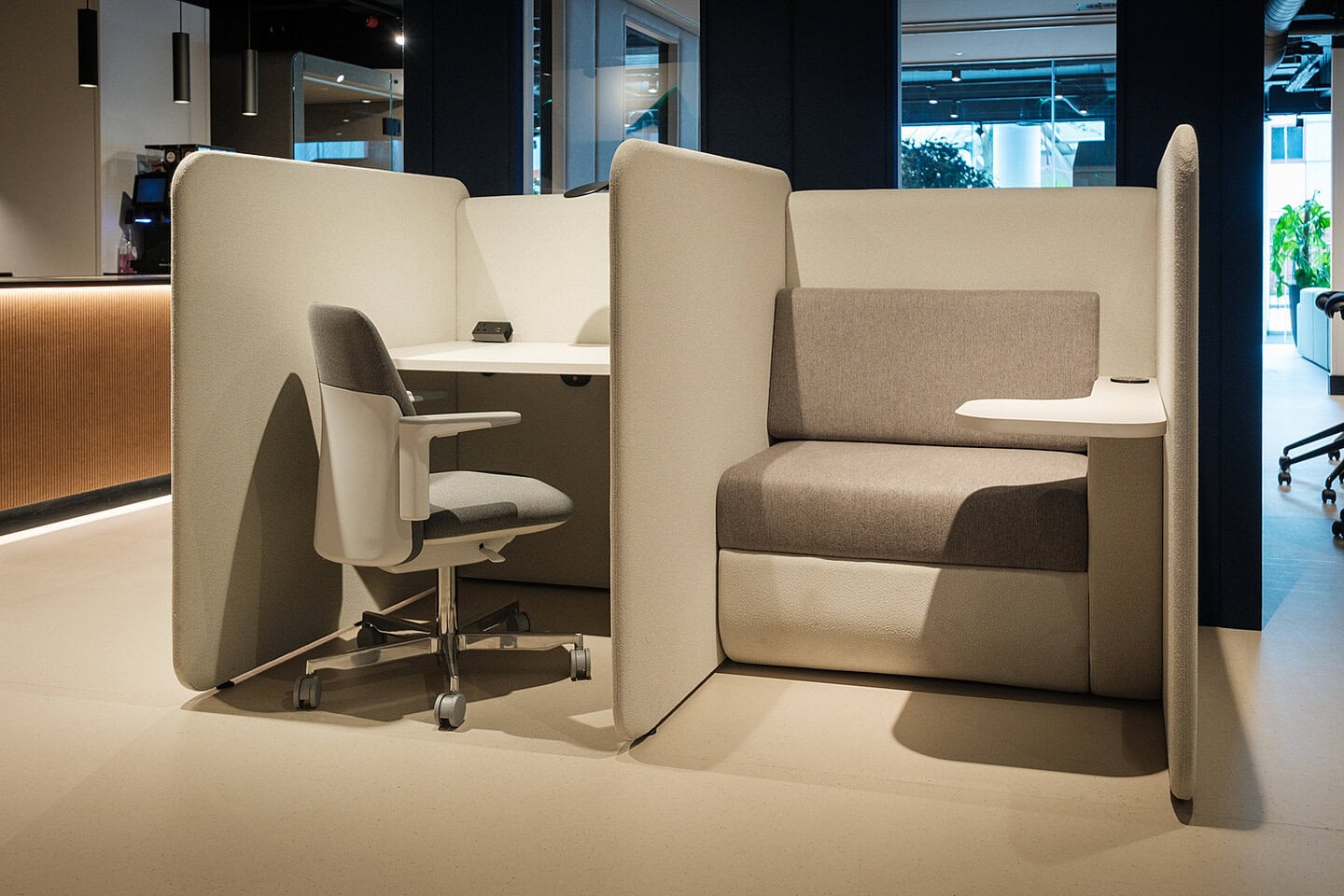
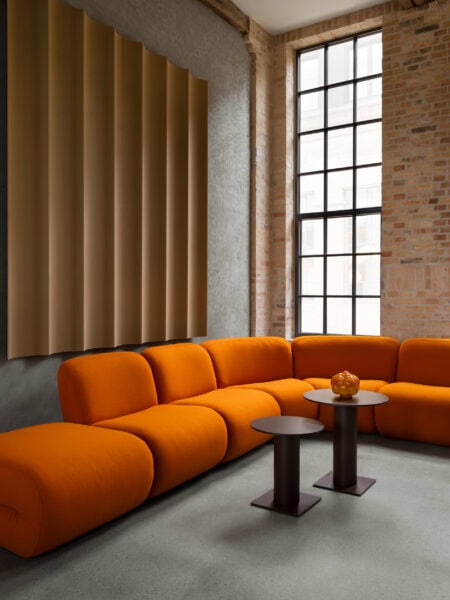
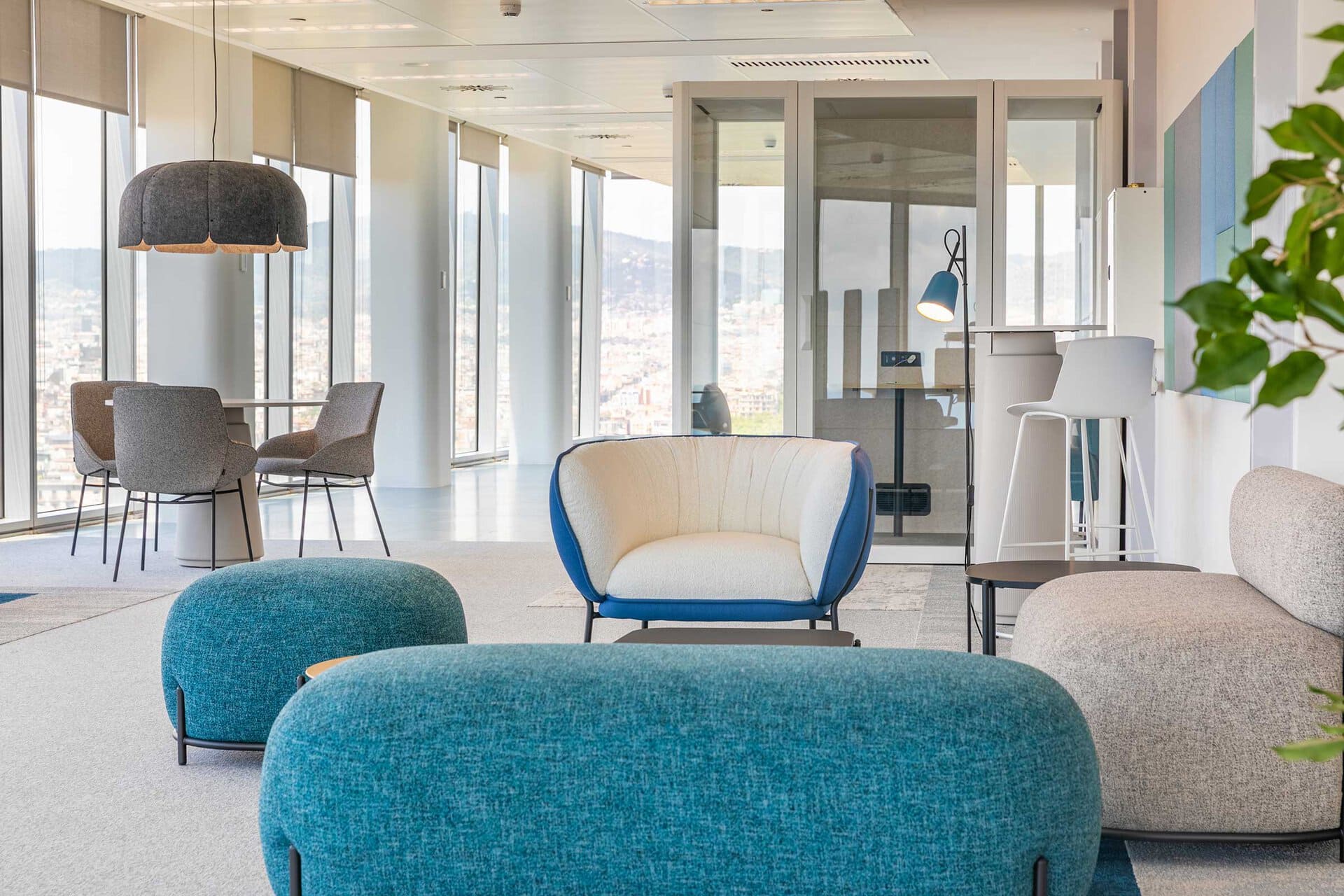
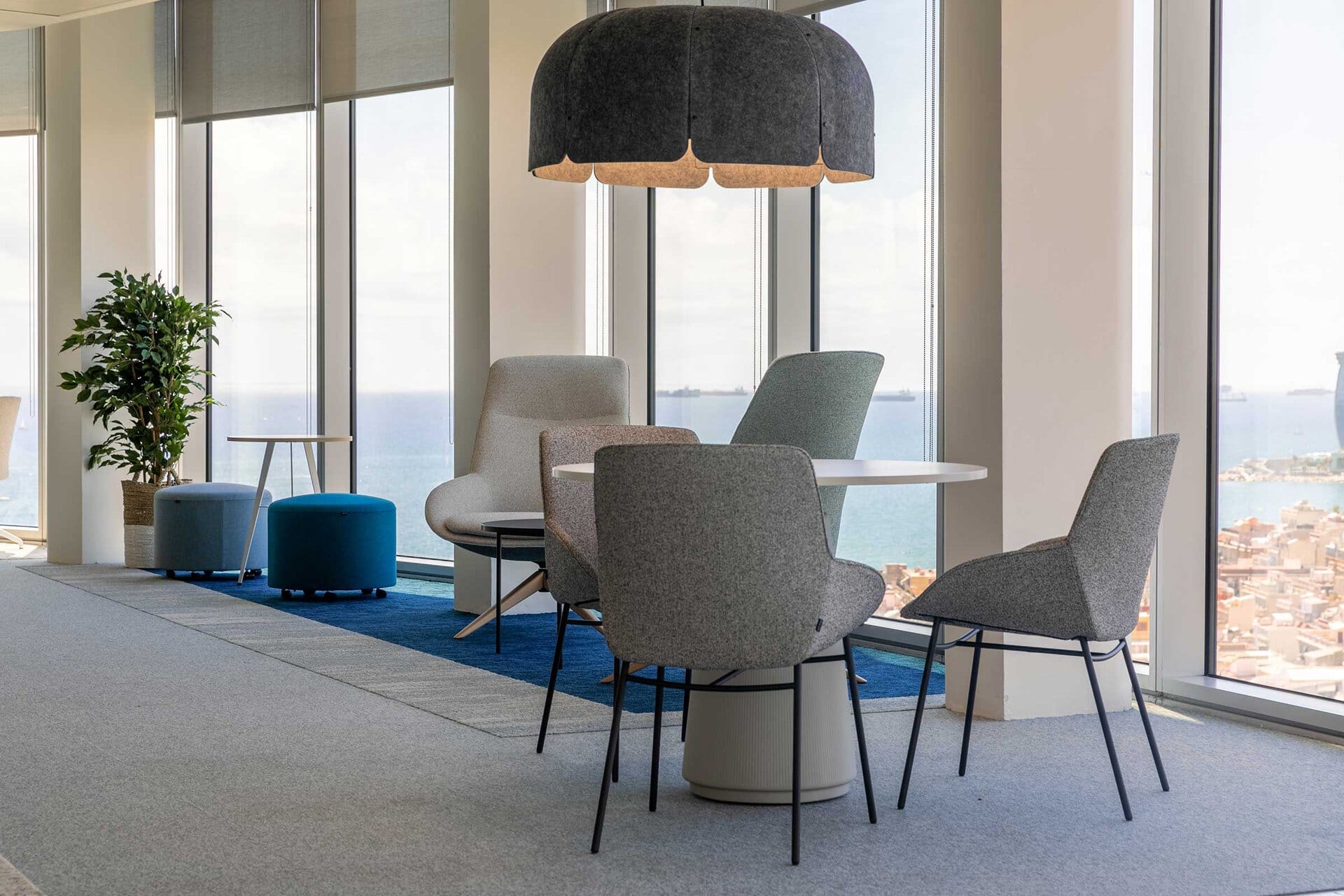
Neurodiversity Ireland highlights the importance of autonomy and predictability, giving individuals control over how and where they work. Furniture solutions can include modular seating systems, flexible desking, focus workstations and breakout furniture such as sofas and poufs and tiered collaborative seating.
Reduce noise and improve acoustic comfort
Noise is one of the most common challenges in office environments and a key barrier for neurodivergent employees. Effective strategies include acoustic zoning, sound-absorbing materials and dedicated quiet areas.
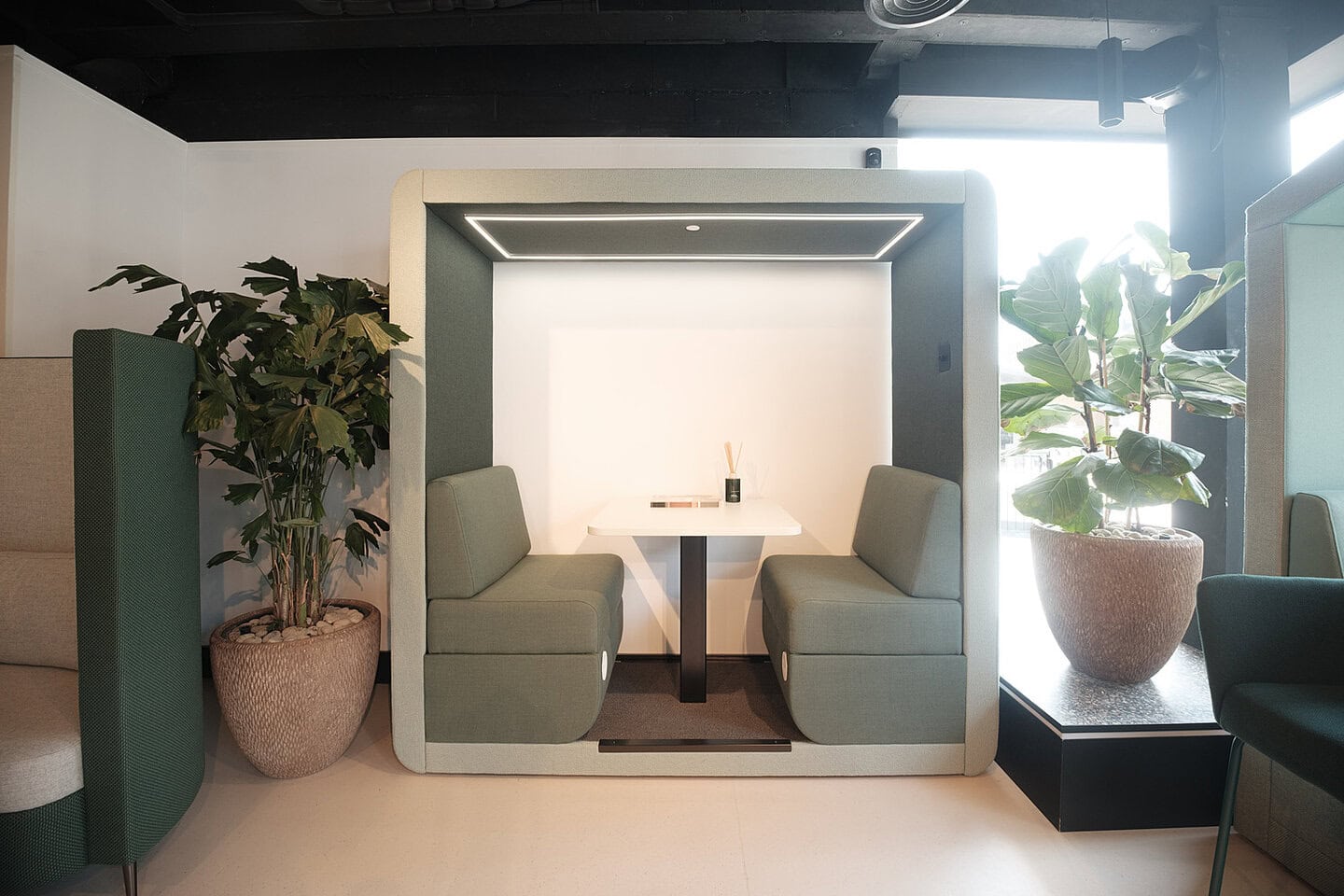
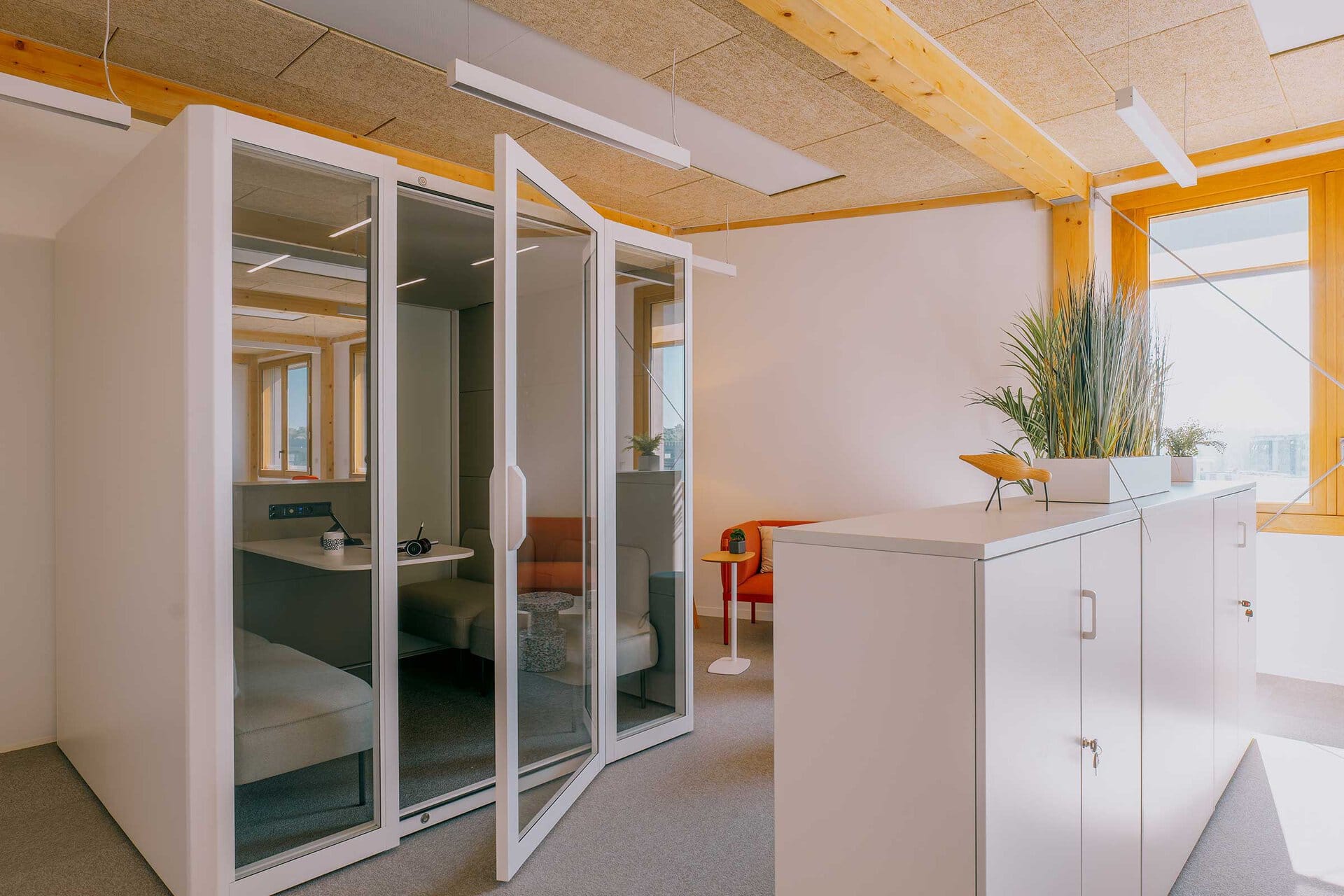
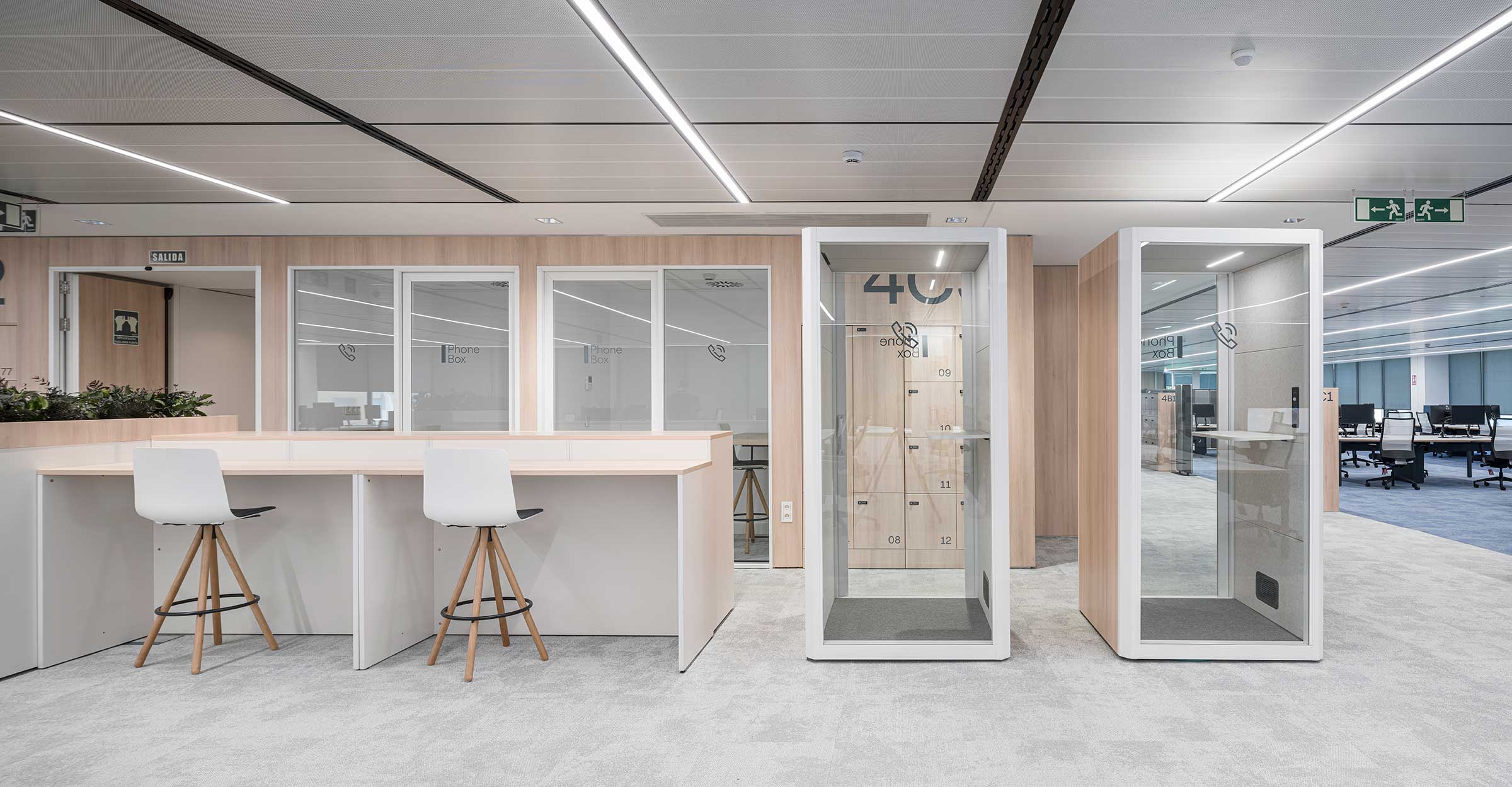
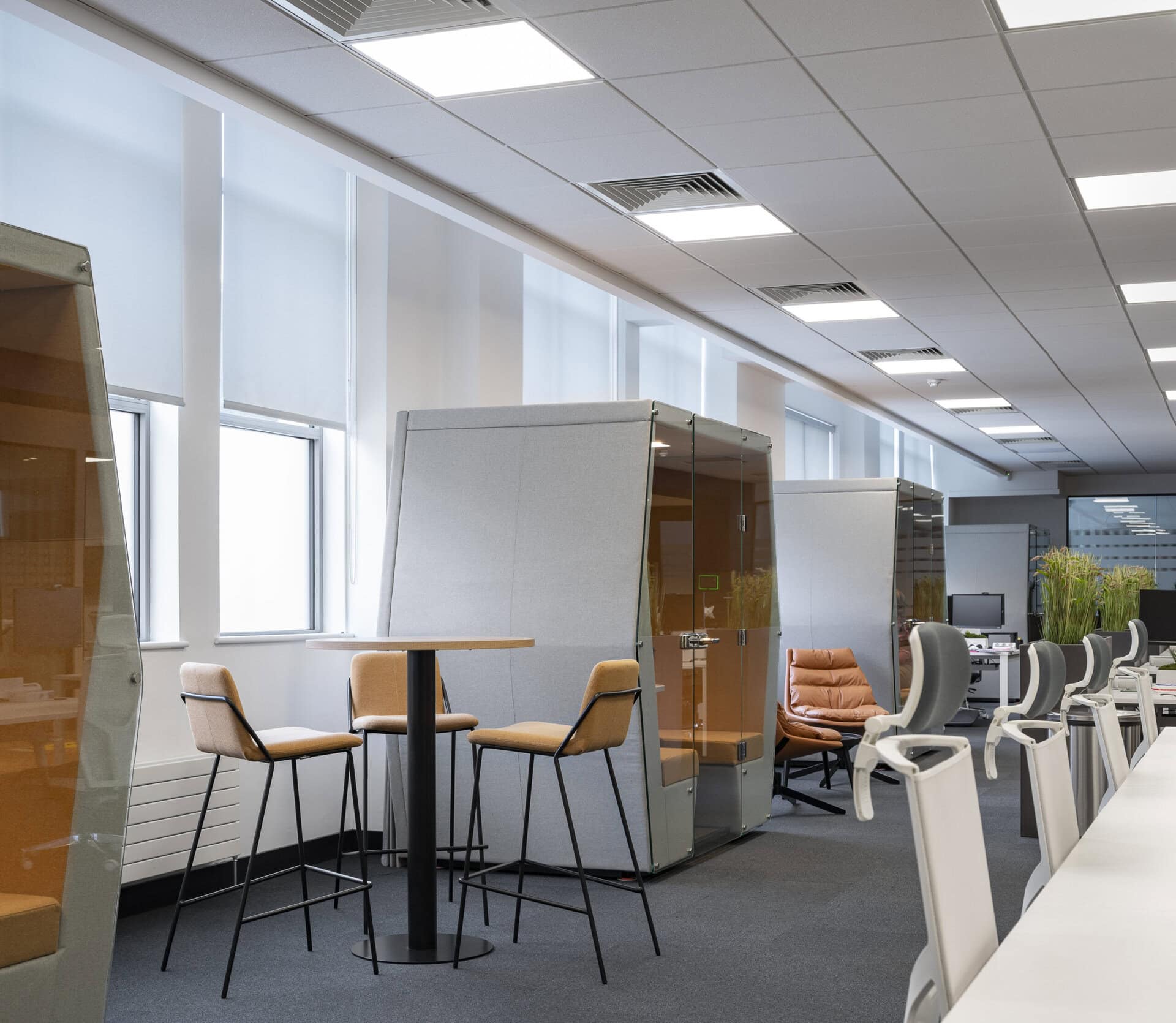
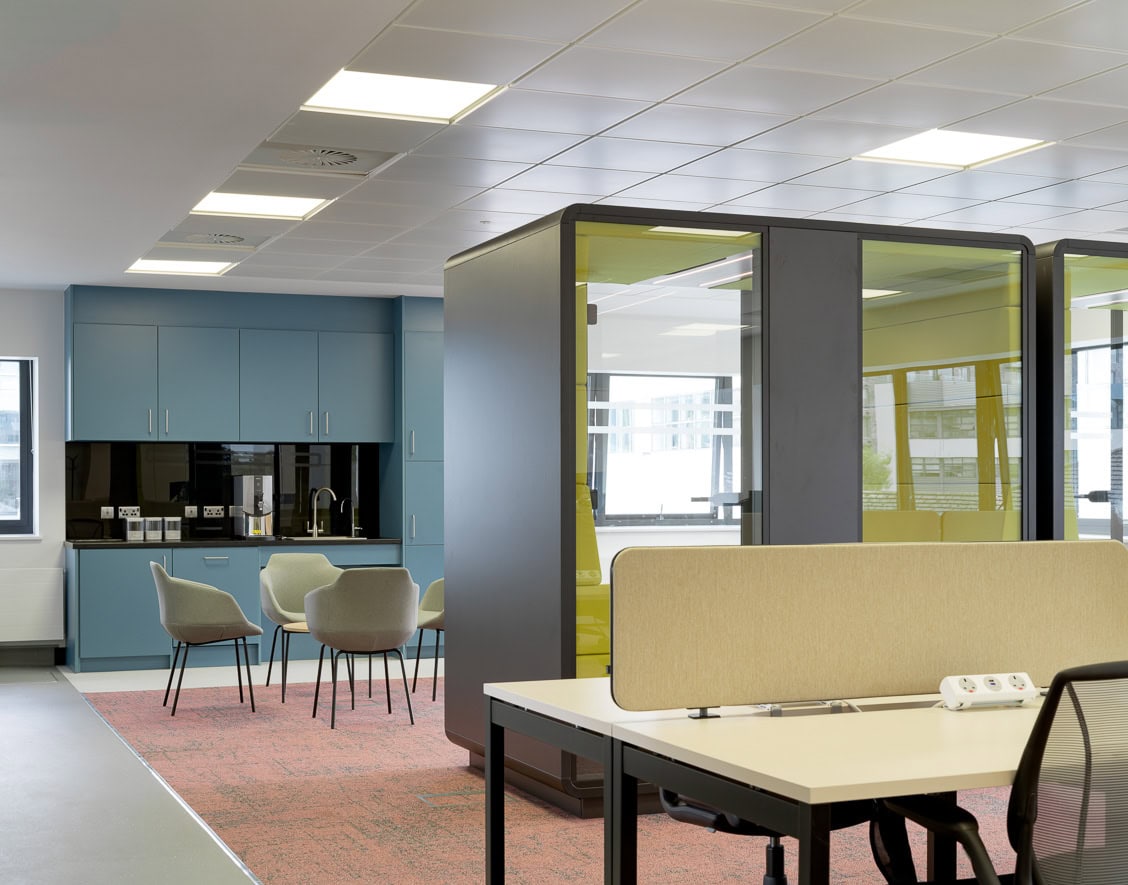
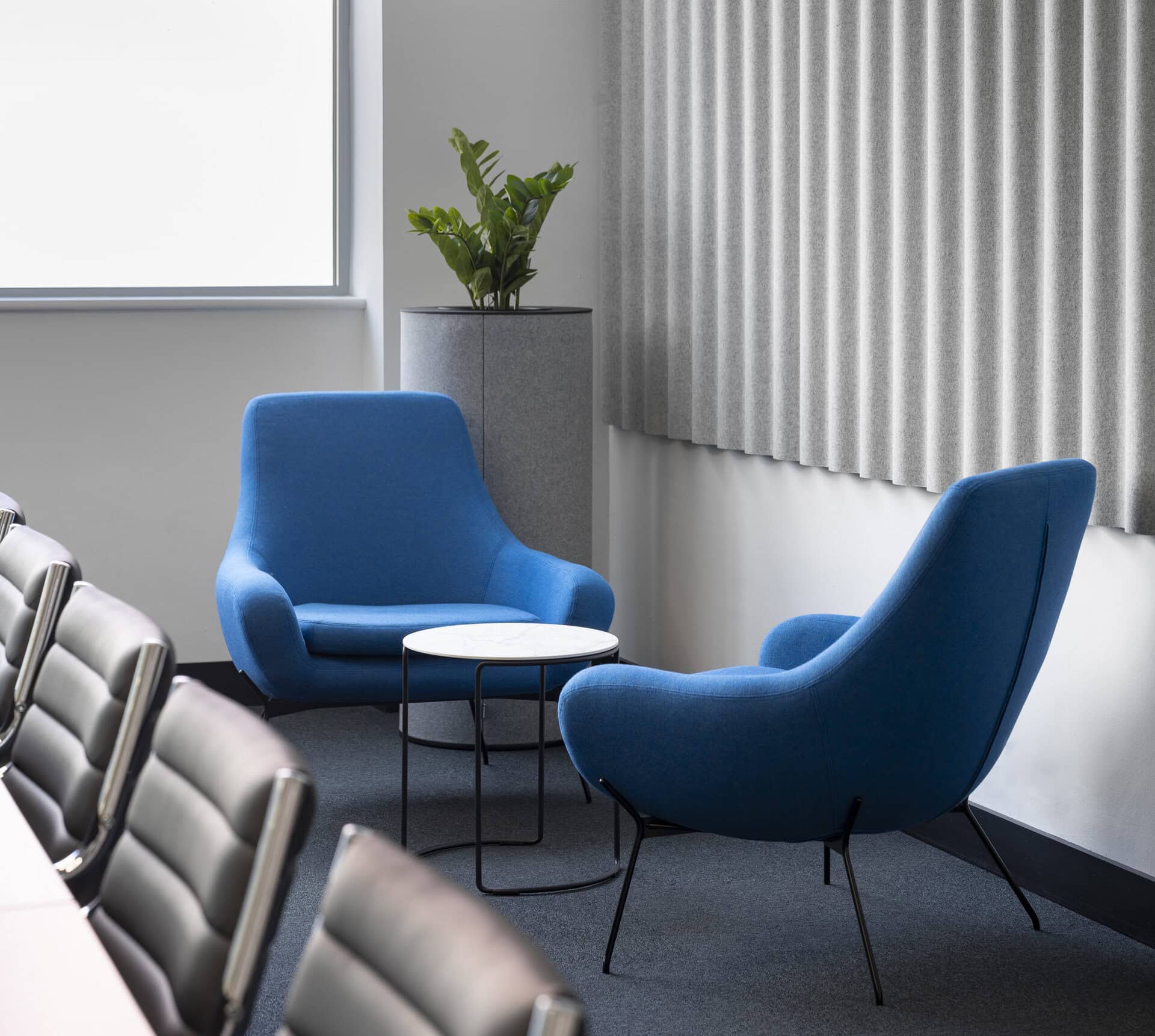
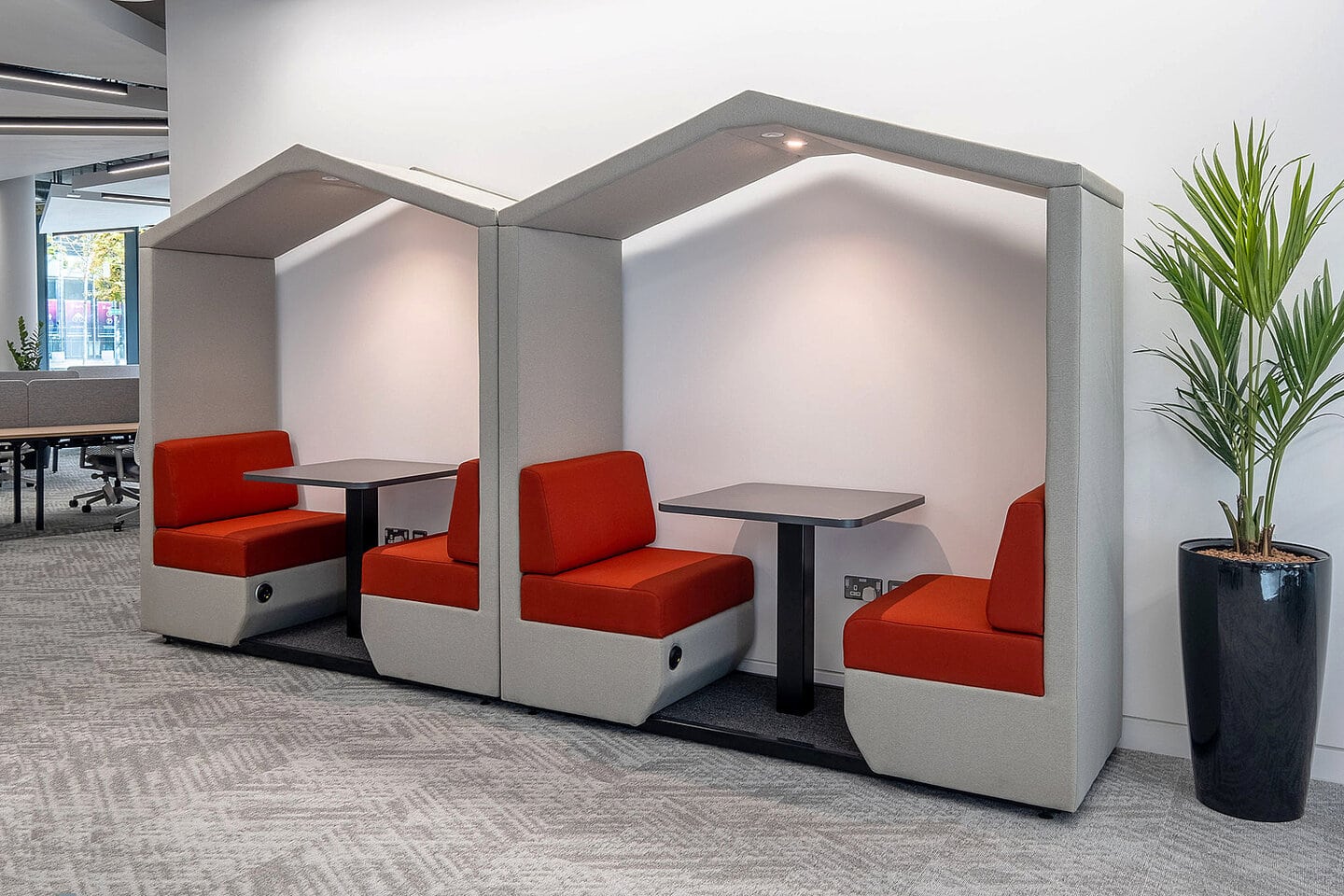
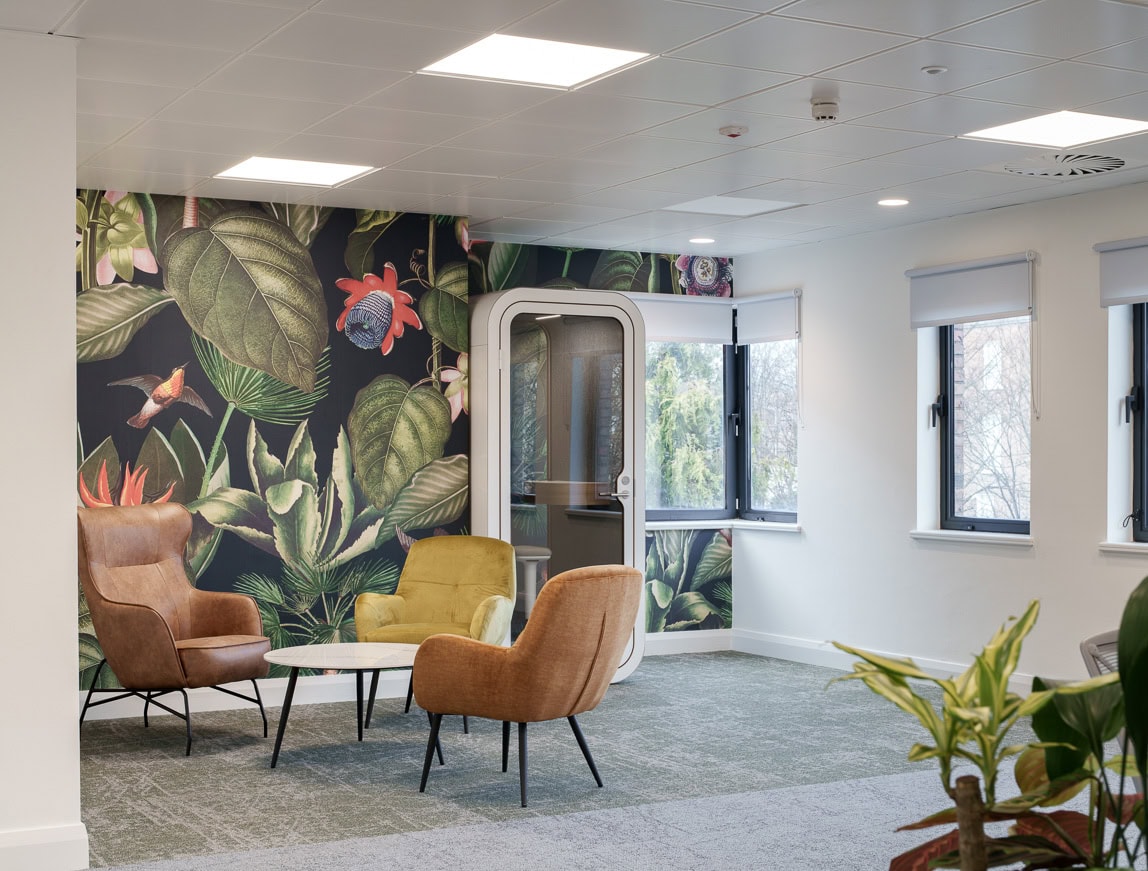
Furniture solutions such as acoustic pods, booths, wall panels and wellness rooms allow employees to self-regulate their environment, improving focus and reducing stress.
Support sensory regulation
Sensory processing varies from person to person, so workplaces should aim to reduce overstimulation and create calm, predictable environments.
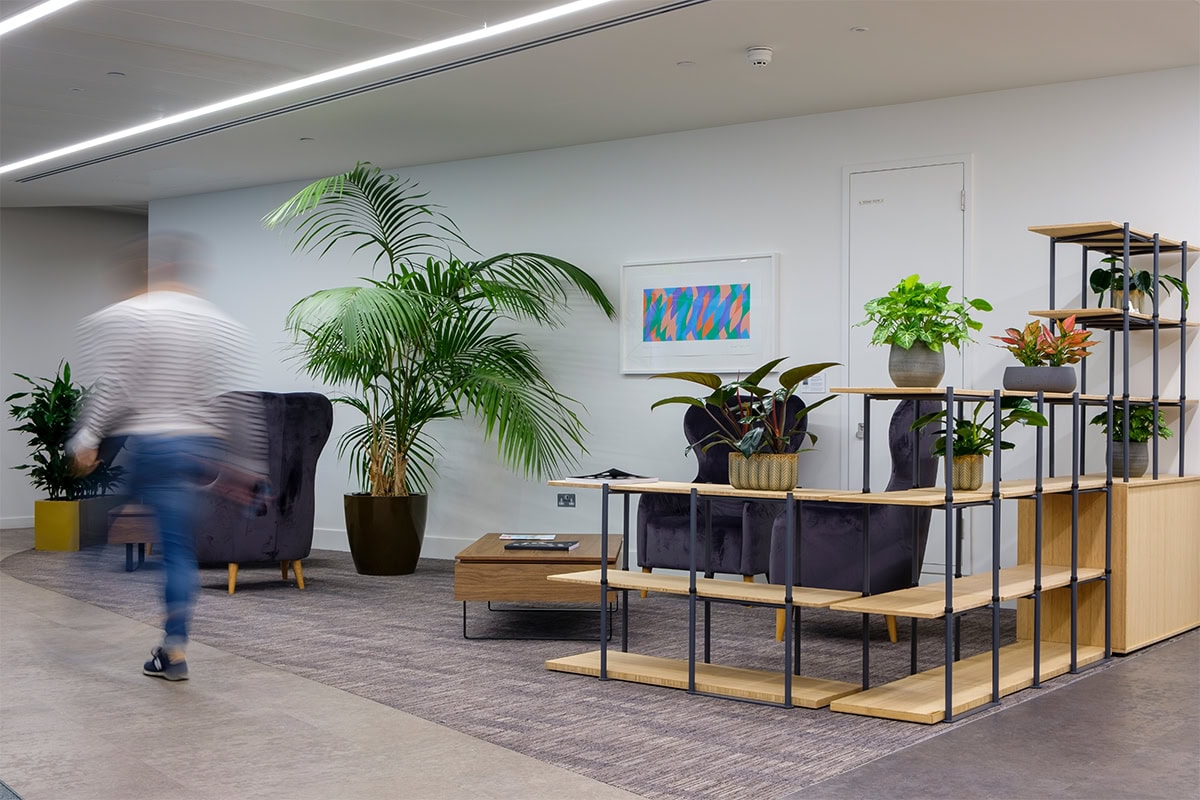
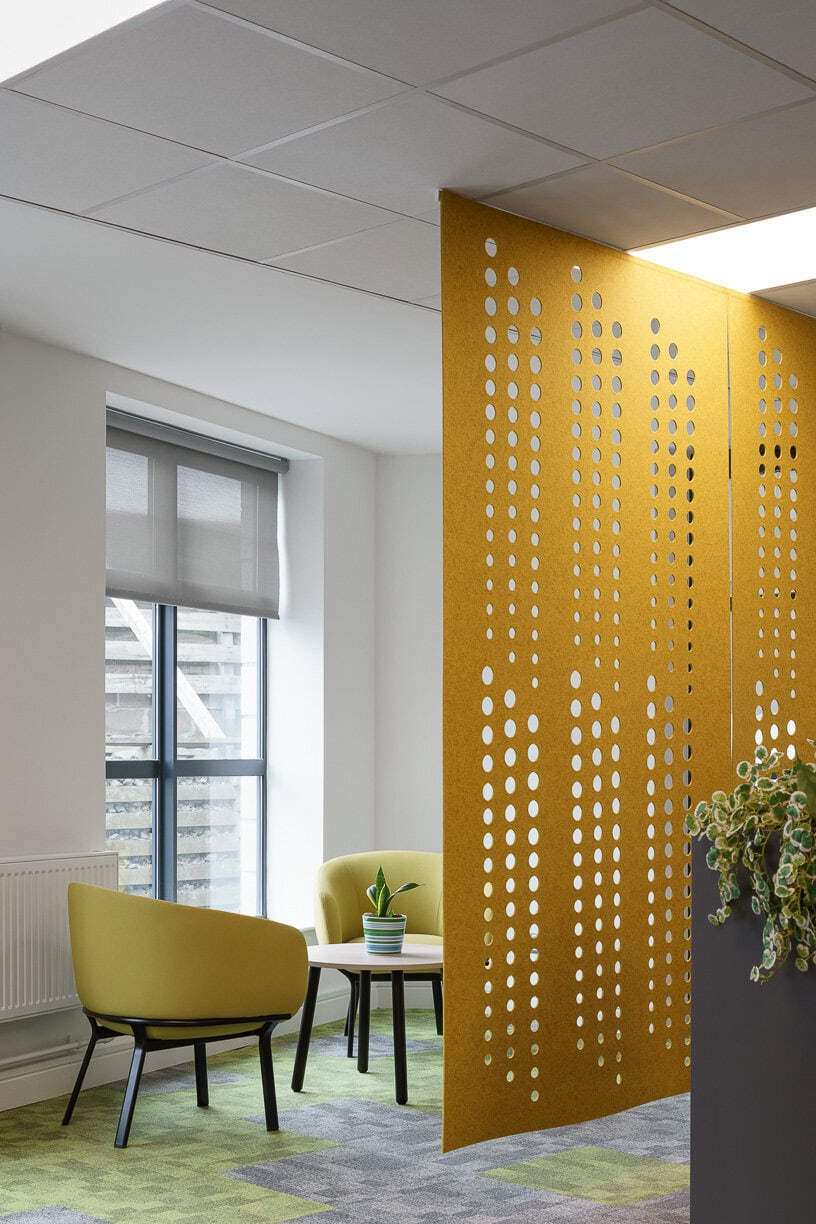
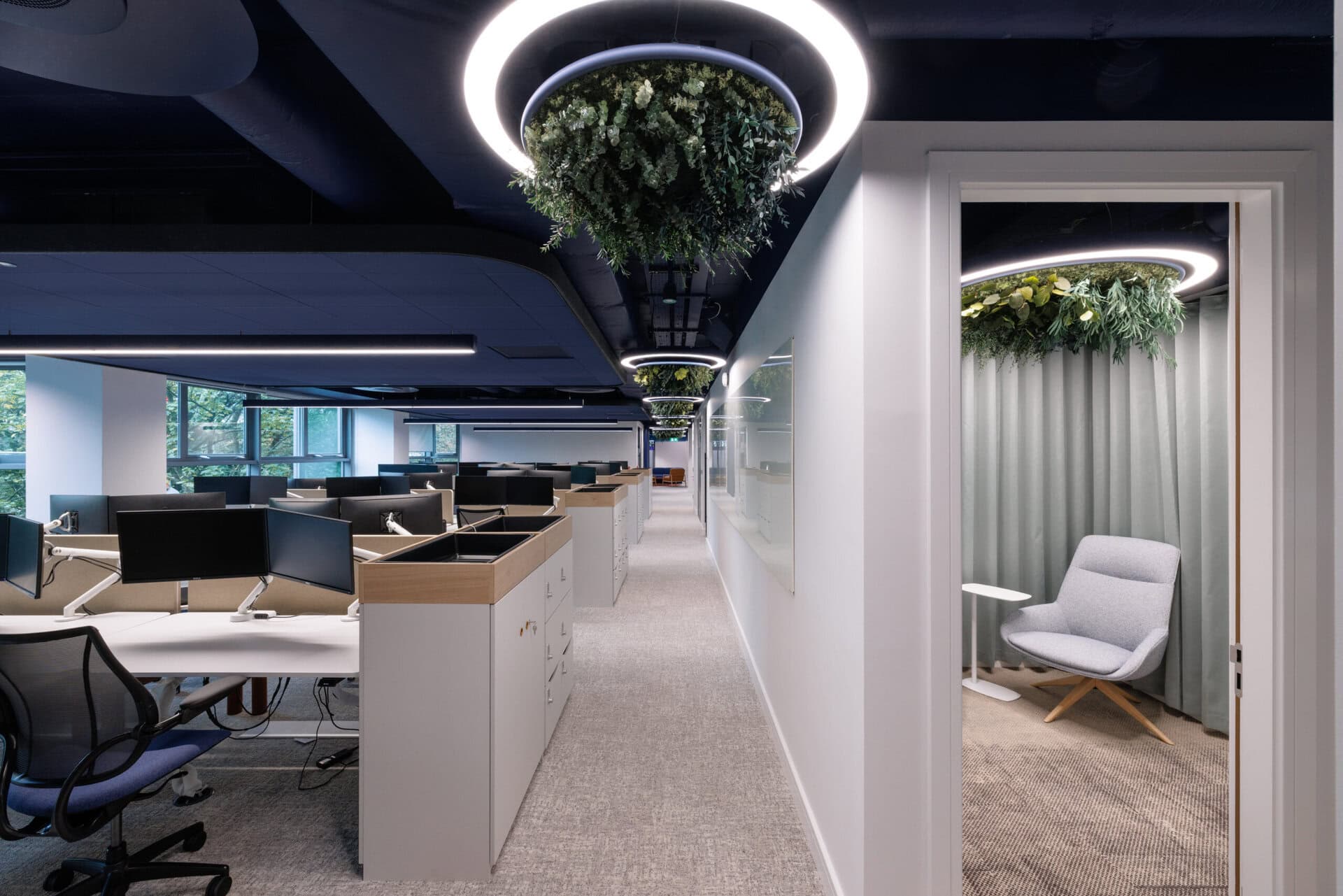
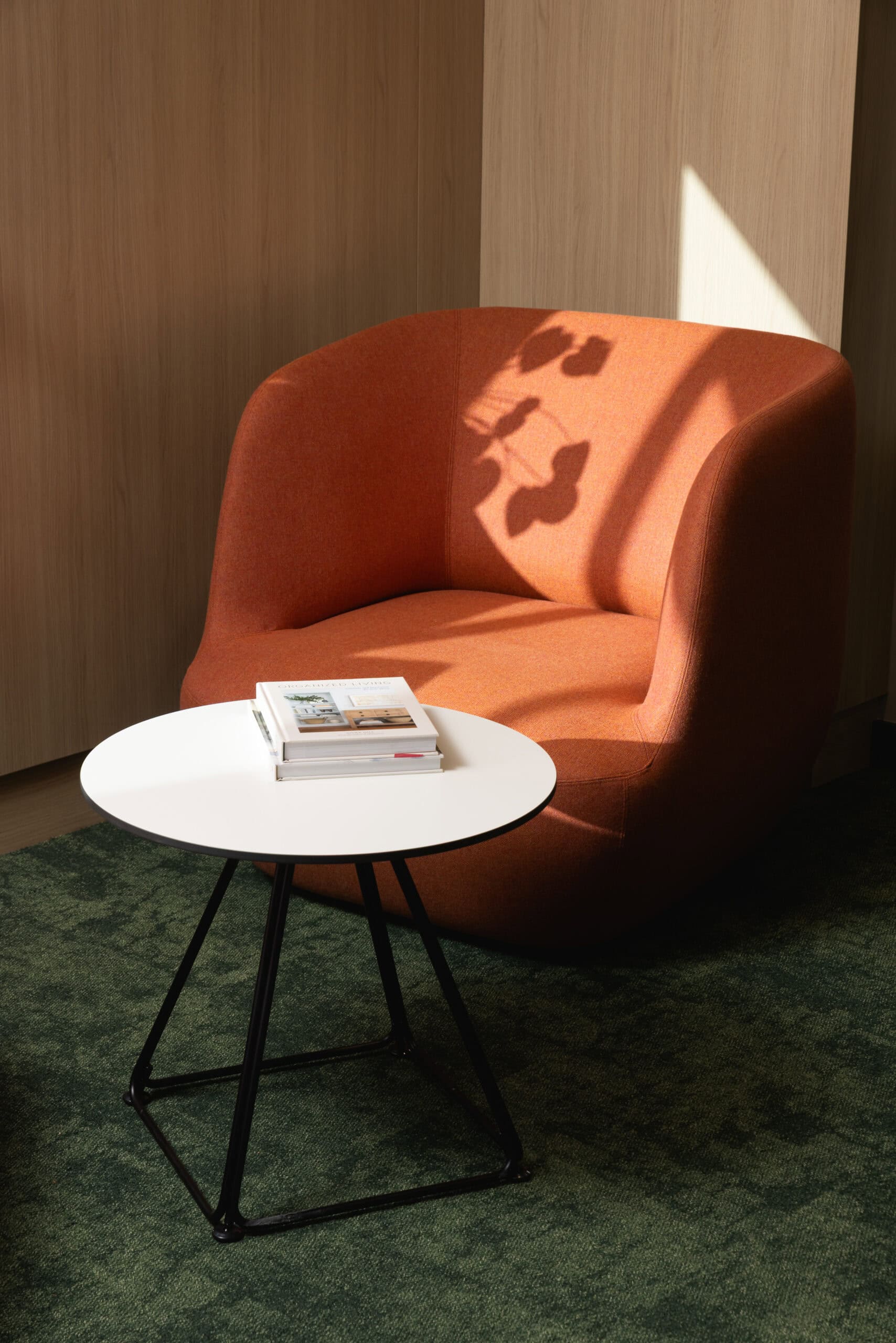
Design considerations include adjustable task lighting, calm colour palettes, soft textures and privacy screens to reduce visual distraction. Increasingly, workplace designers are exploring the principles of neuroarchitecture, the idea that the built environment can directly influence how people think, feel and perform.
Actiu focused on this at one of their talks during Clerkenwell Design Week. Highlighting neuro-design, architects, designers and creatives explored how colour, materials and spatial design influence emotional wellbeing, focus and connection within the workplace. Led by neuroarchitecture specialist Dr. Elizabeth C. Nelson, the discussion highlighted how workplace environments can either contribute to sensory overload or actively support calm, concentration and collaboration.
These conversations reinforce the importance of creating workplaces that are not only functional, but emotionally supportive. Elements such as colour palettes, lighting, acoustics, texture and furniture layout all contribute to how comfortable and regulated people feel within a space.
Create clear, intuitive layouts
Complex or unclear layouts can increase anxiety and cognitive load. A well-designed workplace should clearly communicate spaces for collaboration, focus and relaxation.
This can be achieved through zoning via furniture placement, consistent layouts and clear wayfinding systems. Furniture plays an important role here, helping define how each space is intended to be used.
Enable privacy without isolation
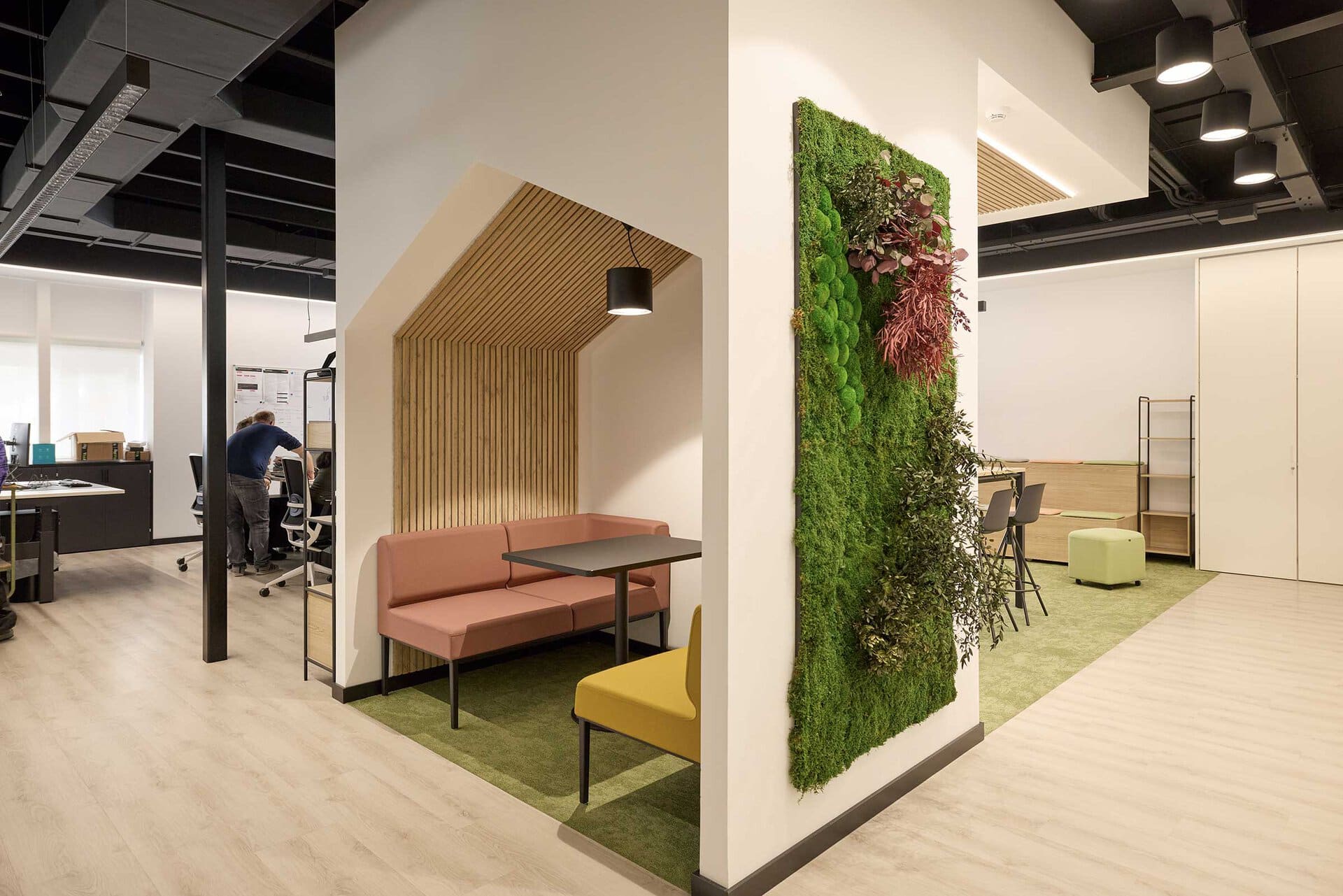
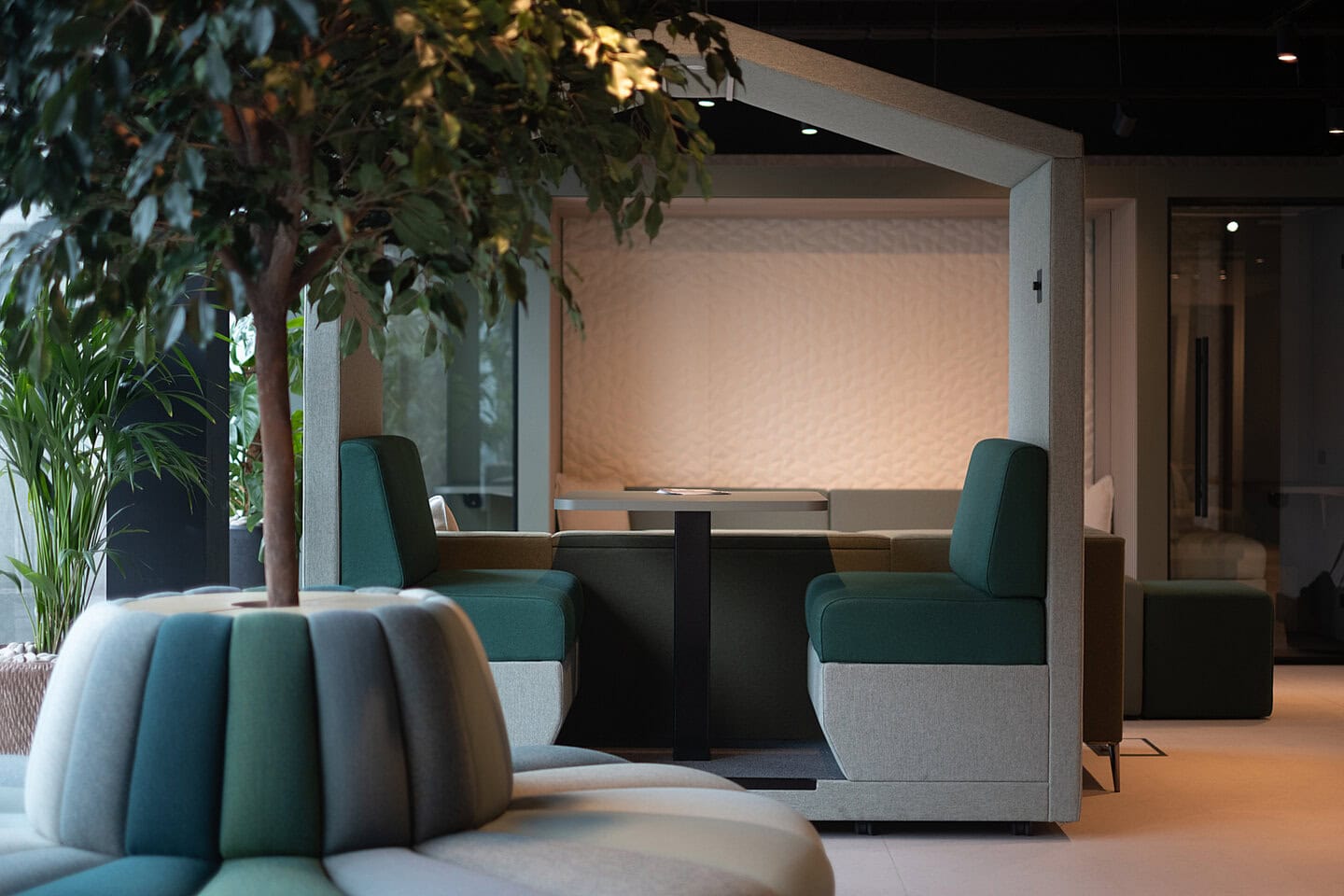
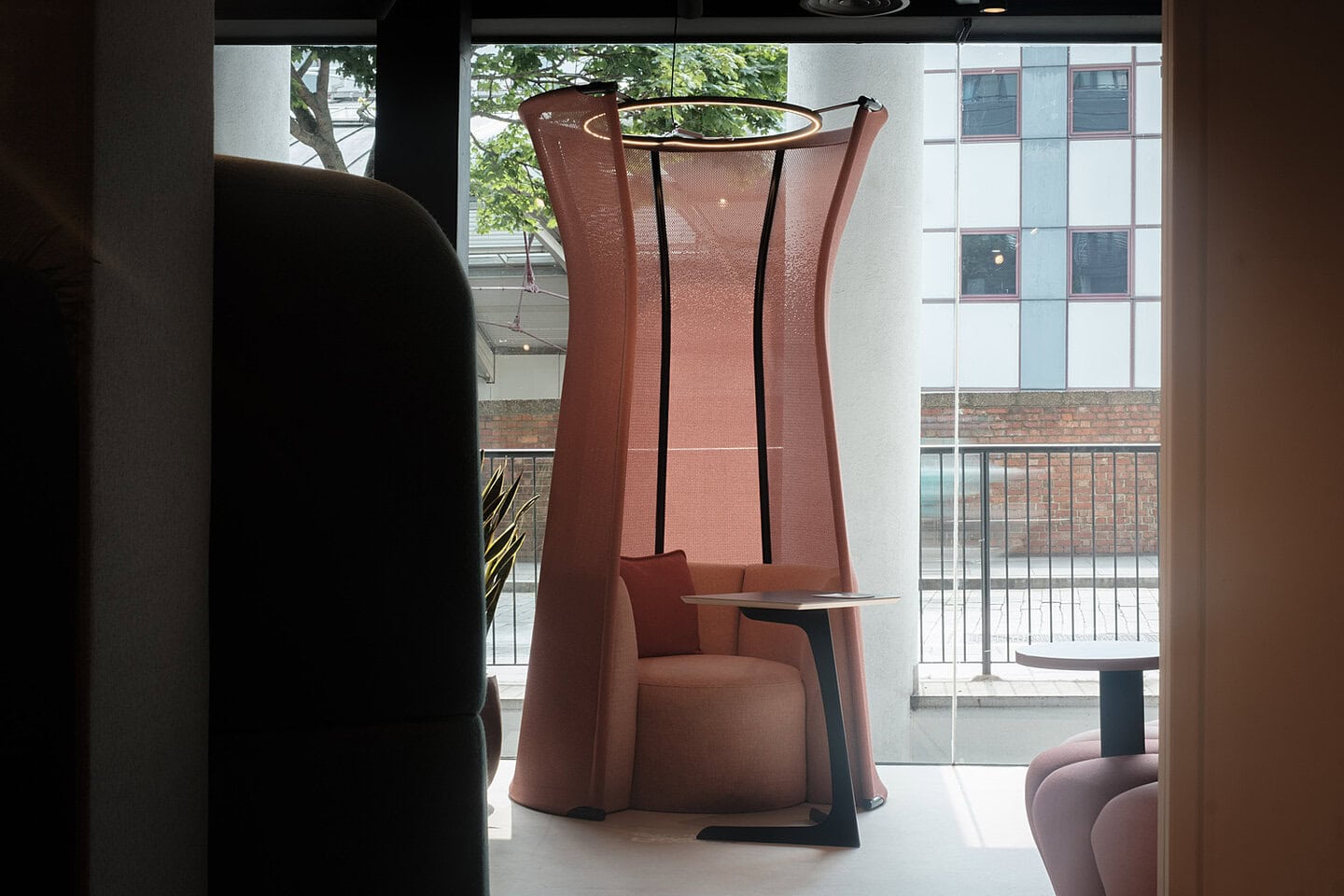
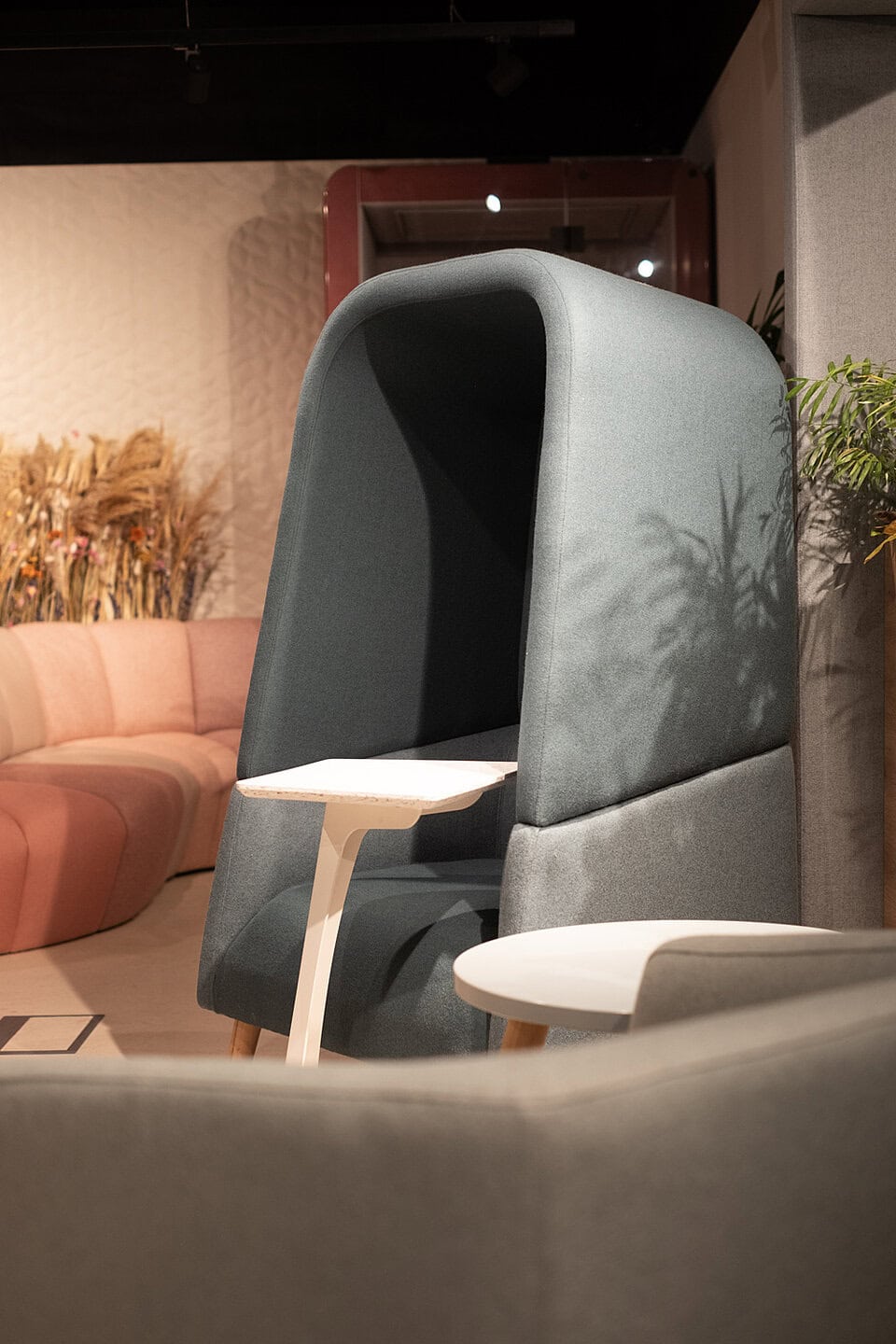
Privacy is essential, but it must remain accessible and inclusive. Focus pods, acoustic phone booths, high-back sofas and semi-enclosed collaboration spaces provide varying levels of privacy while still keeping employees connected to the wider workplace.
Furniture plays a central role in shaping how a workplace feels and functions. Increasingly, manufacturers are focusing on flexibility, user control and wellbeing-led design, all of which align closely with such inclusive principles.
Enhancing acoustic comfort, lighting quality, layout clarity and flexibility creates workplaces that support greater wellbeing, productivity and engagement across the entire organisation.
As workplace design continues to evolve, organisations are moving beyond traditional office planning towards environments that actively support cognitive wellbeing, emotional comfort and human connection. Neuroinclusive design is no longer just a wellbeing consideration, it is becoming an essential part of creating workplaces where people can truly thrive.

Looking for Office Supplies? Please visit supplies.bizquip.ie
For your Home Office needs please visit theannex.ie